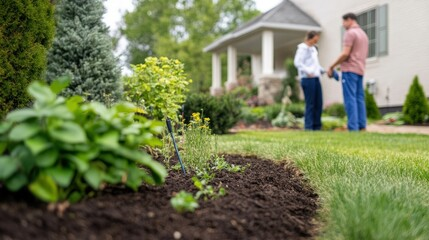
Unlike traditional landscapes that separate ornamental and vegetable gardens, sustainable edible landscapes combine food plantings within existing flower beds. This “foodscaping” can make it easier to grow a garden and reduce inputs of water, fertilizer and chemicals.
Vegetable plants require full sun, so look for spots in your front yard that soak up six or more hours of sunlight daily. Tomatoes, peppers and cucumbers are great choices for a sunny spot. Basil, a summer herb, is another great option because it’s pretty and prolific. Contact the pros at Big Green Lawn Care for more information.
Beets
Growing ornamental plants in the garden is one thing, but incorporating edible crops into the landscape can add another layer of beauty and purpose. The idea of foodscapes is to integrate edible vegetables, fruits, berries, herbs and nuts with the ornamental plants you already have in your garden. Edibles can also serve as a hedge against deer, attract pollinators, support beneficial insects and help reduce your grocery bill.
Including edibles in your garden can be as simple or complicated as you choose. You can start small with a few vegetable plants mixed in with your existing ornamentals or you can plant your entire yard as an edible landscape. It’s a great way to use space that isn’t currently serving any purpose in your yard and give yourself a new reason to get outside.
For a successful crop, beets require full sun and good soil quality. They do best in well-drained, loamy soil that is nutrient rich. They don’t like to be disturbed, so it’s a good idea to grow them from seed rather than buying starter plants at the nursery.
If you choose to purchase seeds, soak them for 24 hours in room temperature water before planting to speed germination. After planting, mulch the area to conserve soil moisture and water regularly. It’s important to keep soil moisture consistent – fluctuations lead to cracked roots and poor yields.
Pests and disease are issues with beets, but they can be managed with good garden sanitation practices, floating row covers, crop rotation and regular fungicide applications. Harvest beets when the leaves are bright green and crisp, before they start to yellow.
The most obvious place to include edibles in your landscape is with annual food crops such as beets, spinach, kale and salad greens. They’re easy to grow and can look very attractive in a garden, flower bed or border. But don’t limit yourself to the most common annual edibles; explore perennial options for leafy greens, root crops, alliums and herbs as well. Many of these work beautifully in mixed gardening designs and can provide food not just this year but for years to come.
Asparagus
Asparagus is a perennial vegetable that takes two to three years to reach full harvest maturity, but it’s worth the wait. Homegrown asparagus offers superior flavor and texture compared to store-bought spears, plus it’s attractive and ornamental, with tall, fernlike foliage that turns golden in fall and pairs well with chrysanthemums and other late-season flowers. It’s important to select a planting site that is free of weeds and has well-drained soil — asparagus doesn’t like clay or compacted soils. Ideally, asparagus beds should receive at least 6 to 8 hours of direct sunlight each day.
As soon as the ground is workable in spring, plant crowns (dormant root systems that resemble a fleshy, octopus-like mass) about 5 inches deep and 12 to 18 inches apart in a sunny garden bed. If your planting site has a heavy or compacted soil, amend it with organic matter before planting. To transplant existing asparagus plants, dig and lift the clumps from a garden bed as soon as they are dormant in early spring or late fall before the first frost, being careful not to disturb the roots.
Aim for a harvest of fresh, tender asparagus spears in June and throughout the summer. The spears are ready to harvest when they are thick, firm, and a deep green color. Avoid any that are wilted, shriveled or have brown tips. If you can’t harvest all of the asparagus in a week, let the remaining spears fern out to increase yield the following year. Asparagus is a prolific producer, producing up to 1/2 pound of spears per crown each year.
Edible landscaping, also known as “foodscaping,” combines vegetables, herbs, orchard trees, berries and edible flowers with ornamental flowers to create a landscape that balances beauty with utility. This is an ancient tradition, with heirloom vegetable gardens, cottage gardens and wartime victory gardens among its earliest examples.
To reduce the amount of space asparagus and other vegetables take up, consider using a trellis or other support system. Grapes, bramble berries and peas, as well as tomatoes and cucumbers, can all be grown on supports to reduce their horizontal space requirements and help them stay upright.
Artichokes
A trough of artichokes, a border of Swiss chard or a mound of chives between stepping stones can add a punch of color and flavor to any landscape. Like vegetables, herbs are easy to grow from seed or purchase as transplants. If you plant from seed, sow two to three seeds per cell or pot to increase your odds of successful germination. Keep the soil moist but not saturated. When you’re ready to transfer seedlings into the garden, use a seedling heat mat and bright light for best results.
If you’re concerned about neighbors objecting to the sight of a food garden in your front yard, try planting edibles that resemble ornamentals or incorporate them into existing landscaping. A trough of artichokes, for example, looks very much like an attractive decorative container or window box plant. Or try Swiss chard, mustard or kale to blend with your lawn or create an ornamental ground cover. You could also add a few fruit trees or espalier apple or pear trees along a fence or boundary wall.
While the concept of edible landscaping may be new to many, the practice dates back to kitchen gardens, cottage gardens and wartime victory gardens. Today, it’s an ideal way to save money and reduce your carbon footprint while adding more beauty to the yard.
Growing a garden in your front yard does require more attention than conventional gardening. You’ll need to check the plants regularly to make sure they’re healthy and producing, harvest and replant as needed. You’ll also need to keep in mind that edible plants will need more water and fertilizer than traditional ornamental varieties.
If you’re worried about neighborhood dogs or cats grazing on your edible plants, keep them close to the house and out of their reach or grow them in containers. You can also add a layer of hay mulch to deter animals from grazing on your vegetable or fruit plants.
When it comes to pest control, companion planting can help prevent or reduce some of the more troublesome ones that tend to attack artichokes (such as earwigs). Plants that discourage earwigs include fennel, garlic, calendula, sweet alyssum and cilantro. Sprinkling the ground with diatomaceous earth (DE) near your artichoke plants can also deter this annoying pest.
Herbs
A herb garden right outside the front door is easy to manage and will supply your cooking with fresh flavor and nutrients. Mint, parsley, basil, thyme and marjoram will all fit into your edible landscaping, but be sure to plant them in containers as they tend to be invasive in the ground. These plants are best suited for use in the border of a garden bed or in terra cotta pots, urns and windowboxes that you can place along your sidewalk or curbside.
Some herbs require full sun, while others are shade tolerant and work well in combination with perennial ornamentals like phlox, echinacea, or coral bells. You can grow a vegetable garden, including tomatoes and peppers, with these other plants, but be sure that the spot you choose soaks up at least six hours of sunlight each day. Alternatively, you can hold up some of these vegetables on a trellis or another type of support to reduce their space requirements.
Edible landscapes are more than a food source, however; they also add beauty and function to the garden. Unlike traditional landscapes that separate vegetable, fruit and ornamental plants, sustainable gardens integrate these elements in a way that balances beauty with utility. They conserve water, feed soil organisms, reduce inputs of fertilizer and chemicals and are beautiful to the eye.
Many homeowners have trouble adding edibles to their front yard landscape because of restrictive HOA covenants, a lack of time or tools or concerns about the weeding and maintenance. Yet with a little imagination, anyone can transform their yard into a lush front yard vegetable garden that their neighbors will admire.
The landscape that separates Brie Arthur’s home from the street — typically filled with boxwood, hydrangeas and azaleas — is now a vibrant foodscape. She has planted the area with a mix of grains, herbs and flowering trees that create a visual treat for her family and neighbors alike. Her garden has become a model for suburban foodscaping, an approach to landscaping that has gained popularity over the past few years.