When people think about water damage restoration, they often focus on emergency cleanup and drying. While those steps are critical, there is another equally important angle that property owners sometimes overlook: the long-term impact of water damage on property value. Whether you own a residential home, rental property, or commercial building, water intrusion can significantly affect resale potential, structural longevity, and insurance considerations.
Water damage restoration is not just about repairing what you can see. It is about preserving the integrity, safety, and financial value of your investment. In this article, we will explore how professional Water Damage Restoration Salt Lake City protects property value, prevents long-term depreciation, and safeguards your financial future.
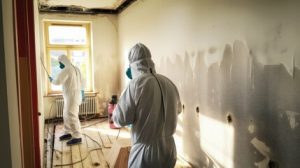
The Financial Impact of Untreated Water Damage
Water damage rarely stays confined to one visible area. A small ceiling stain may indicate a roof leak. A damp patch on the floor could signal plumbing failure beneath the surface. When moisture is allowed to linger, it spreads into subfloors, framing, insulation, and structural supports.
Over time, untreated water damage can lead to:
- Warped hardwood flooring and weakened subfloors
- Cracked or sagging drywall and ceiling materials
- Rotting wooden framing and compromised support beams
- Persistent mold contamination that reduces buyer confidence
Each of these issues can reduce property value significantly. Prospective buyers and tenants are often cautious about water damage history, particularly if repairs were delayed or incomplete. Even cosmetic signs of past moisture problems may lower perceived value.
Professional water damage restoration addresses these risks immediately, reducing the likelihood of long-term structural deterioration that can erode equity.
Why Buyers and Inspectors Pay Close Attention to Water Damage
During property sales, inspectors carefully examine areas prone to moisture problems, including basements, crawl spaces, attics, bathrooms, and kitchens. Evidence of water intrusion can raise red flags and lead to additional inspections or negotiations.
Buyers often worry about hidden damage. Even if visible repairs have been made, concerns about mold, structural weakness, or recurring leaks can influence purchase decisions. In competitive markets, properties with a documented history of prompt, professional restoration often maintain stronger negotiating positions.
Water damage restoration professionals provide detailed assessments and documentation of the drying and repair process. This record can be valuable when demonstrating that issues were addressed thoroughly and responsibly.
Preventing Long-Term Structural Deterioration
Structural integrity is one of the most important factors influencing property value. Water weakens building materials in subtle but progressive ways. Wood absorbs moisture and expands, leading to warping and eventual rot. Metal components may corrode. Concrete foundations can develop cracks if water pressure builds against them.
The longer the moisture remains, the more extensive the damage becomes. What might initially require simple drying can escalate into major reconstruction if left unresolved.
Professional water damage restoration includes comprehensive moisture detection and drying strategies. By removing water from hidden cavities, insulation, and substructures, restoration experts prevent long-term weakening that could compromise structural stability.
Protecting structural components preserves both safety and market value.
Insurance Claims and Documentation Benefits
Water damage events often involve insurance claims. The way damage is handled can influence claim outcomes and future premiums. Insurance providers typically require clear documentation of mitigation efforts and repairs.
Professional restoration services assist property owners by:
- Conducting detailed damage assessments
- Providing moisture readings and inspection reports
- Documenting drying progress and restoration steps
- Coordinating with adjusters when necessary
Proper documentation supports smoother claims processing and demonstrates that responsible steps were taken to mitigate damage. This transparency helps protect financial interests and ensures that the restoration process meets required standards.
Minimizing Business Interruption in Commercial Properties
For commercial property owners, water damage is not only a structural issue but also a revenue concern. Downtime can result in lost income, disrupted operations, and strained client relationships.
Prompt water damage restoration limits operational disruption by quickly stabilizing affected areas and implementing drying equipment. Strategic planning may allow sections of a building to remain functional while restoration occurs elsewhere.
In commercial environments, protecting property value also means preserving tenant satisfaction and maintaining a professional appearance. Rapid restoration reinforces reliability and long-term asset performance.
Addressing Hidden Damage Before It Becomes Visible
One of the greatest threats to property value is hidden water damage. Moisture can travel behind walls, beneath tile, and under carpets. Without professional equipment, these areas may appear dry while remaining saturated internally.
Hidden moisture can lead to mold growth, unpleasant odors, and gradual material breakdown. When these problems surface months later, repair costs may be significantly higher.
Water damage restoration specialists use advanced moisture detection tools to locate water beyond visible surfaces. By identifying and addressing hidden damage early, they prevent future surprises that could negatively impact appraisal value.
Mold Remediation and Its Effect on Property Value
Mold is one of the most concerning consequences of water damage. Beyond health considerations, mold contamination can dramatically reduce property desirability. Buyers often hesitate when mold is disclosed, fearing expensive remediation or recurring issues.
Timely water damage restoration significantly reduces the risk of mold growth by eliminating moisture quickly. When mold is already present, restoration professionals can implement proper remediation protocols to remove contaminated materials safely.
Addressing mold concerns early helps maintain transparency and preserves market confidence in the property.
Preserving Interior Finishes and Aesthetic Appeal
A property’s interior finishes contribute directly to its perceived value. Hardwood flooring, cabinetry, drywall, and trim represent substantial investments. Water intrusion can damage these finishes quickly.
For example, swollen cabinets may require replacement. Stained ceilings can diminish visual appeal. Peeling paint and bubbling surfaces create the impression of neglect.
Water damage restoration focuses on salvaging materials whenever possible. Through controlled drying techniques and targeted repairs, many finishes can be restored rather than replaced entirely.
Maintaining the original aesthetic of a property supports stronger resale potential and reduces costly renovations.
Proactive Measures to Protect Property Investment
While not all water damage events are avoidable, proactive measures reduce vulnerability and demonstrate responsible ownership. Preventative strategies may include:
- Installing water detection devices near appliances and plumbing fixtures
- Regularly inspecting roofs, gutters, and drainage systems
- Monitoring basement and crawl space humidity levels
- Scheduling periodic plumbing inspections
When issues are identified early, restoration efforts are less extensive and more cost-effective. Proactive maintenance protects both immediate safety and long-term financial stability.
The Role of Professional Equipment and Expertise
Water damage restoration requires more than fans and household dehumidifiers. Industrial-grade equipment accelerates drying and ensures moisture is removed from deep within structural materials.
Professional restoration teams understand moisture migration patterns and building construction methods. Their expertise allows them to develop targeted drying plans that address both visible and concealed damage.
Attempting to manage significant water damage without professional support may result in incomplete drying, leading to recurring problems that diminish property value over time.
Protecting Rental and Investment Properties
For property investors and landlords, maintaining asset value is a top priority. Water damage can affect tenant satisfaction, occupancy rates, and long-term profitability.
Quick restoration minimizes disruption and demonstrates commitment to property maintenance. Addressing issues promptly helps retain tenants and reduces the likelihood of extended vacancies.
Investment properties benefit greatly from documented restoration processes, as they assure potential buyers or future tenants that the property has been properly maintained.
Water Damage Restoration as a Strategic Investment
It is important to view water damage restoration not as an expense but as a strategic investment. The cost of professional mitigation is often far lower than the potential loss in property value resulting from untreated damage.
Prompt restoration protects structural components, preserves finishes, prevents mold growth, and maintains market confidence. These benefits directly contribute to sustained property appreciation and long-term financial security.
When faced with water intrusion, the decision to act quickly can mean the difference between minor repairs and significant depreciation.
Safeguarding Value Through Swift Action
Water damage is unpredictable, but the response does not have to be. Acting quickly and relying on professional water damage restoration services helps preserve more than just walls and flooring—it protects the overall value of your property.
By addressing moisture immediately, preventing structural deterioration, and maintaining thorough documentation, property owners safeguard their investments against long-term loss. Whether residential or commercial, every property represents a significant financial commitment.
Water damage restoration ensures that unexpected water events do not compromise years of equity and hard work. With the right approach, restoration becomes not just recovery, but protection for the future.